
Two Paths to a Beautiful Smile
Whether you’re fixing a chipped tooth or dreaming of a full smile makeover, dental bonding and veneers are two of the most popular cosmetic dentistry treatments at Downtown Dental Group in Manhattan, KS. Both treatments enhance your natural teeth, restore symmetry, and boost your confidence—just in different ways.
At Downtown Dental Group, Dr. Juliana Hall and Dr. Ben Reckmeyer offer both composite bonding and porcelain veneers so patients can choose the best fit for their goals, lifestyle, and budget. Some prefer the convenience and affordability of bonding, while others love the long-lasting brilliance of veneers. Either way, your new smile is designed to look natural, feel comfortable, and last for years.
Call our dentist’s office in Manhattan, KS at (785) 776-0097 to schedule a consultation with Dr. Hall or Dr. Reckmeyer at Downtown Dental Group and explore whether dental bonding or veneers are right for you.
Understanding Dental Bonding
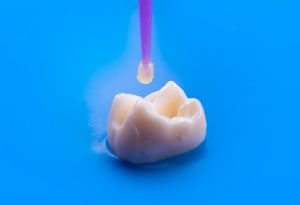
Dental bonding—sometimes called composite bonding—is a minimally invasive cosmetic procedure that uses a tooth-colored composite resin to repair or reshape teeth. The bonding material is applied directly to the tooth surface, sculpted to perfection, and hardened with a curing light.
Because bonding requires little to no enamel removal, it’s an ideal option for minor tooth repairs or subtle aesthetic improvements, such as:
- Fixing small chips or cracks
- Closing gaps between teeth
- Improving the shape or size of a tooth
- Masking mild discoloration
- Smoothing uneven edges
Bonding can typically be completed in one visit, making it perfect for busy professionals, students, or families around Manhattan, Fort Riley, and Junction City who want immediate results.
Understanding Dental Veneers
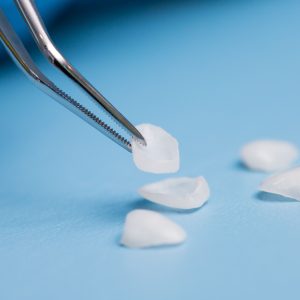
Dental veneers—especially porcelain veneers—are thin, custom-made shells that cover the front surface of your teeth to create a flawless, natural-looking smile. Veneers are crafted in a dental laboratory using materials like porcelain or composite resin, offering exceptional durability and color precision.
Patients often choose veneers for:
- Severe tooth discoloration that whitening can’t fix
- Misshapen or worn-down teeth
- Moderate chips or cracks
- Multiple cosmetic issues across several teeth
- Long-lasting, stain-resistant smile improvements
Porcelain veneers require minimal enamel removal to fit naturally, while composite veneers can often be applied with less preparation. Both provide stunning, life-like results that blend beautifully with surrounding teeth.
Comparing Dental Bonding vs. Veneers
While both treatments address similar cosmetic concerns, they differ in materials, cost, and longevity. Think of bonding as a quick, flexible solution and veneers as a long-term investment in your smile.
1. Aesthetic Results
Both treatments dramatically enhance appearance, but porcelain veneers offer a more polished and uniform finish. They reflect light similarly to natural tooth enamel, giving a highly realistic look. Bonding, however, still delivers natural results—especially for small touch-ups—and can easily blend with surrounding teeth.
2. Durability and Longevity
In a durability comparison, porcelain veneers outperform bonding. Veneers typically last 10 to 15 years or longer with proper care, while bonding usually lasts around 5 to 10 years before touch-ups or replacements are needed. Bonding may chip more easily if used on back teeth or under heavy bite pressure.
3. Cost and Value
Dental bonding is significantly more affordable than veneers, making it a great option for minor cosmetic repairs or patients wanting budget-friendly improvements. Porcelain veneers, though more expensive per tooth, provide superior longevity and stain resistance, often making them more cost-effective over time.
4. Treatment Time
Bonding can be completed in a single visit, while veneers typically require two appointments—one for impressions and one for placement. If you’re seeking a same-day transformation, bonding is the faster route.
5. Tooth Preparation
Bonding usually doesn’t require removing any tooth enamel, while veneers may need light preparation to ensure a seamless fit. However, modern minimal-prep veneers preserve as much natural enamel as possible.
6. Stain Resistance
Veneers, especially porcelain veneers, offer superior stain resistance compared to bonding. Composite resin can discolor over time from coffee, tea, or red wine, while porcelain remains bright for years with good oral care.
Which Option Is Right for You?
Choosing between bonding and veneers depends on your goals, budget, and the condition of your teeth.
Dental bonding may be the right choice if you:
- Have minor chips or small gaps
- Want an affordable, same-day enhancement
- Prefer a non-permanent solution that can be easily adjusted
Porcelain veneers, on the other hand, may be ideal if you:
- Want a permanent solution for more noticeable flaws
- Have discoloration or shape issues that bonding can’t fully conceal
- Desire the most natural and stain-resistant smile possible
Both treatments can also be combined. Some patients choose bonding for small touch-ups and veneers for front teeth in full smile makeovers.
The Expertise of Downtown Dental Group
With over three decades of service in Manhattan, KS, Downtown Dental Group combines modern dental technology with compassionate care.
- Dr. Juliana Hall brings an artistic touch to every case, perfecting color matching and natural contours for both bonding and veneers.
- Dr. Ben Reckmeyer blends restorative precision with aesthetic insight, helping patients choose the treatment that best supports both oral health and cosmetic goals.
Every smile is unique, and our dentists take time to create a personalized treatment plan that fits your needs—whether it’s bonding minor imperfections or transforming multiple teeth with veneers.
Proper Care for Bonding and Veneers
To maintain your results, practice good oral hygiene and avoid habits that can damage your restorations.
- Brush twice daily with a non-abrasive toothpaste.
- Floss gently around restored teeth.
- Avoid chewing hard objects or opening packaging with your teeth.
- Schedule regular dental visits to ensure the restorations remain secure and polished.
Both treatments can provide many years of beauty with proper care. Bonding may need occasional touch-ups, while veneers typically maintain their brilliance longer with fewer adjustments.
Why Patients Trust Downtown Dental Group
Our philosophy is simple: we treat every patient like family. Whether you’re a student at Kansas State University, stationed at Fort Riley, or a long-time Manhattan resident, we’re committed to helping you feel confident in your smile.
From small aesthetic upgrades to complete transformations, we’re here to help you choose the right path toward your dream smile—one that looks as good as it feels.
Frequently Asked Questions
Yes. Dental bonding can close small gaps effectively, though larger spaces or uneven teeth may benefit more from porcelain veneers for a seamless, symmetrical look.
Porcelain veneers typically last 10–15 years, while dental bonding lasts about 5–10 years with proper care. Veneers are more durable and resistant to staining.
Absolutely. Both treatments are designed to match your natural teeth in color, shape, and translucency. At Downtown Dental Group, we use advanced shading and contouring techniques to ensure a natural appearance no matter which option you choose.
Schedule a Cosmetic Consultation in Manhattan, KS
Not sure whether dental bonding or veneers are right for you? Let Dr. Hall and Dr. Reckmeyer guide you through the differences, costs, and expected results so you can make an informed decision.
Call our Manhattan, KS dental practice at (785) 776-0097 today to schedule your cosmetic dentistry consultation at Downtown Dental Group in Manhattan, KS and start your journey toward a confident, radiant smile.